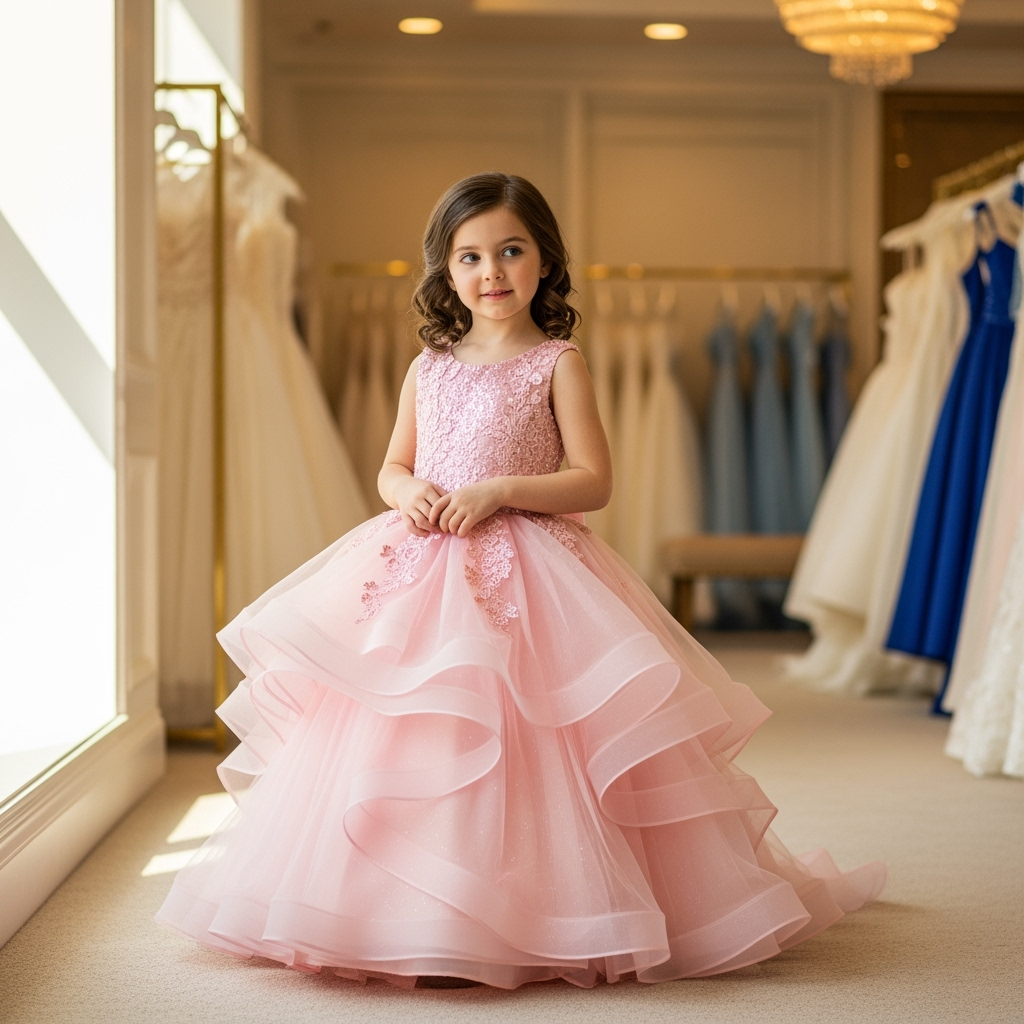
Picking a standout dress for a child can feel overwhelming, but it doesn’t have to be. I’ve helped dozens of families navigate show schedules and stage lights, and this guide to little girl pageant dresses walks you through everything that matters — from silhouette and fabric to fitting and on-stage presence. For context about how local youth activities grow and shape communities, many event planners look to resources like the U.S. Census to understand family demographics and participation trends at large community events.
Why the right dress matters more than you think
Pageants are part performance, part presentation. The dress does more than look pretty: it frames posture, affects confidence, and even changes how lights and cameras read your child on stage. A well-chosen ensemble helps a young competitor move comfortably and express personality without overpowering their natural presence. When I coach parents, I always stress: the dress should amplify the child, not hide them.
Know the rules before shopping
Every pageant system sets its own costume and dress rules — length limits, allowable embellishments, and sometimes even color guidelines. Start by checking your entry packet for specifics. If you can’t find clarity, reach out to the organizers well before shopping day to avoid surprises. Knowing the rules early saves time and prevents costly last-minute alterations.
Top styles and silhouettes that photograph well
Different silhouettes create different stage effects. Understanding how each works on a moving, lit stage helps you pick a dress that flatters and performs:
- A-line: Timeless and forgiving, A-line skirts work for most body types and allow easy movement for walking and turns.
- Ball gown: Big skirts photograph dramatically, but make sure they’re light enough for a child to manage without tripping.
- Fit-and-flare: Offers a clear waistline with skirt movement; it’s youthful and elegant without being heavy.
- Tea-length: For categories that allow it, tea-length can be playful and offers clear shoe visibility for safety-conscious judges.
Fabrics and finishes: how they behave under lights
Stage lighting highlights texture and shimmer. Some fabrics shine beautifully on camera, while others can look flat or, worse, create glare. Here’s what to keep in mind:
Sequins, rhinestones, and metallic threads catch light and add sparkle, but they can also make a dress stiff. Stretch satin and mikado give structure with a softer movement. Tulle layers add volume without weight. Avoid fabrics that crease easily or cling uncomfortably like cheap polyester blends; they tend to photograph poorly and can make a child fidget.
Color choices: balancing personality and stage visibility
Color does more than match a theme — it affects how judges and cameras perceive skin tone and expression. Bright jewel tones like sapphire, emerald, and cranberry often pop under stage lights. Pastels can be elegant but risk washing out on stage unless paired with stronger accents. I like recommending small tests: hold swatches near the child’s face under bright lamps or natural daylight to see which colors harmonize best.
Sizing, fittings, and alteration tips
Proper fit is the single most important comfort factor. Because children grow quickly, buying a dress with a bit of room that still looks tailored is smart. Here’s a short checklist I give parents before a fitting:
- Bring the shoes and undergarments the child will wear on stage so the fitter can gauge length accurately.
- Walk, turn, and sit in the dress during fittings to check mobility and comfort.
- Ask for seam allowances for future let-outs if growth is expected between purchase and the competition.
- Schedule final alterations at least two weeks before the show to allow for adjustments and a comfort test run.
Stage-ready details: embellishments, accessories, and hair
Accessories should complement the dress, not compete with it. Here are practical rules I follow when styling an ensemble:
- Keep hair accessories proportional. Large headpieces can overwhelm a small face under stage lights.
- Choose non-reflective jewelry when the dress is highly embellished to avoid glare on camera.
- Make sure shoes have secure straps and an appropriate heel height for safe walking and turns.
- Test hair spray and makeup during rehearsal so the child is comfortable and the look lasts under hot lights.
Care and transport: how to keep the dress pristine
The way you store and transport a pageant dress matters. Use a padded hanger and a breathable garment bag to avoid snagging and crushing. For long trips, carry emergency supplies: a small sewing kit, safety pins, stain wipes, and spare rhinestones in case any embellishments come loose. If the dress has intricate beadwork, pack it flat in a lined box for extra protection while traveling.
How to shop smart locally
Shopping locally has big advantages: you can try multiple styles quickly, get face-to-face advice, and arrange faster alterations. Visit boutiques and ask about on-site tailoring and rush services. When you try dresses in person, pay attention to how staff measure and recommend sizes — experienced teams often spot fit issues that are easy to miss online. If local stores offer private try-on appointments, take them; the quieter setting helps a child relax and shows how a dress behaves when she moves naturally.
Trends to watch in 2025
Pageant fashion evolves, but certain trends are especially strong this year. I’ve seen these themes rise across shows and social feeds:
1) Sustainable and recycled embellishments: Families and designers are choosing trims and fabrics that are ethically sourced or made from recycled materials. This keeps looks fresh while aligning with broader consumer values.
2) Virtual fittings and 3D previews: More boutiques now offer virtual consultations or 3D mockups so you can preview color and fit before buying. That’s a boon for busy families who can’t make multiple in-person visits.
Both trends make shopping smarter and more eco-aware while preserving the theatrical fun of pageant wear.
Common pain points and how to solve them
From my experience, parents face the same few problems repeatedly. Here are simple, actionable fixes:
Problem: Dress looks great on the hanger but stiff on the child. Solution: Check fabric composition and ask for softer linings or added stretch panels near the torso and armholes to allow movement.
Problem: Last-minute fit issues. Solution: Build time into your schedule for two fittings: one early for rough adjustments and one final check two weeks out. Keep a trusted seamstress on speed dial for emergency tweaks.
Problem: Too many embellishments causing visual clutter. Solution: Tone down one element (either the dress or the accessories) so the child’s face remains the focal point.
Budgeting advice: how to get a show-ready look without overspending
Pageants can be expensive, but smart choices reduce cost without sacrificing stage presence. Consider shopping for a classic silhouette and upgrading only the bodice or sash each season. Renting high-end pieces for single events is also a cost-effective option for families who prefer variety without the long-term investment. Lastly, keep a small alteration budget; a modest tailoring expense can make a mid-range dress look couture on stage.
Final checklist before you head to the stage
Use this short pre-show routine to reduce stress and be sure you haven’t missed anything:
- Confirm dress fastenings; bring backup safety pins and fashion tape.
- Pack a small emergency kit with makeup blotting papers, deodorant, and a mini sewing kit.
- Run a full dress rehearsal with hair, makeup, and shoes to practice movements and timing.
- Label the garment bag and keep it in a climate-safe area to prevent wrinkles and damage before stage time.
Choosing a pageant dress is a mix of heart and planning. With the right knowledge — about silhouettes, fabric behavior, fitting strategies, and current trends — you can find a piece that makes your child feel confident and shines under the lights. I encourage families to take their time, test options under bright lights, and prioritize comfort as much as style.
If you’re ready to see curated selections of stage-friendly little girl pageant dresses and want personal help choosing sizes and styles, visit So Sweet Boutique for expert fitting and seasonal collections: So Sweet Boutique.