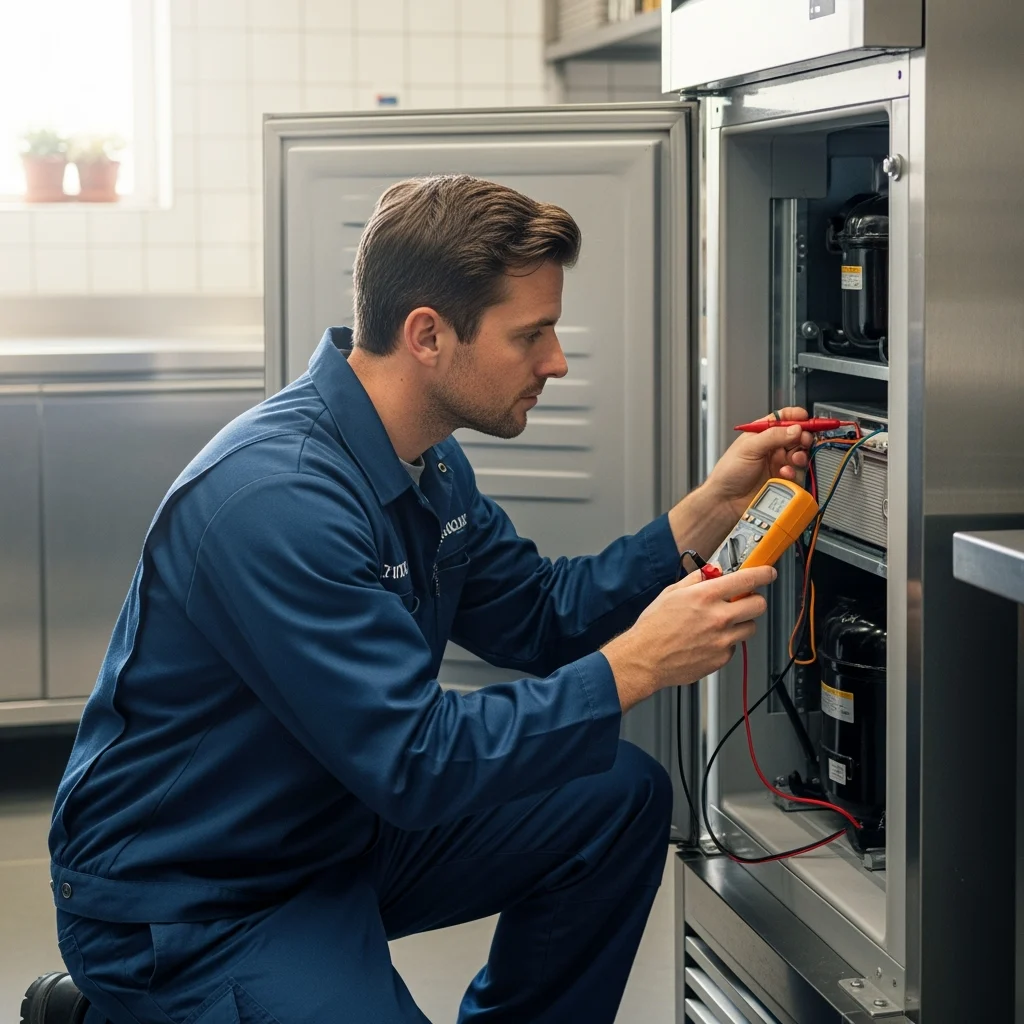
I’ve written this guide because regular San Antonio refrigeration maintenance is one of those things most businesses only think about when something breaks. In this climate, preventive care can cut costly downtime and protect food safety, energy bills, and your bottom line. For broader regulatory context on refrigerants and environmental safety, the EPA has useful guidance on refrigerant management that I recommend reviewing at EPA.gov.
Why refrigeration maintenance matters in San Antonio
San Antonio’s long, hot summers and humid shoulder seasons mean refrigeration units run harder and for longer than in many parts of the country. That increased runtime speeds wear on compressors, increases the chance of leaks, and can reveal weak components faster. I’ve seen walk-in coolers and restaurant reach-in units struggle after a few neglected months, and the cost of emergency refrigeration repair often exceeds a year of scheduled maintenance.
Beyond equipment longevity, maintenance affects food safety, energy use, and regulatory compliance. A properly calibrated system preserves product quality and avoids the losses that come with a thawed freezer or warm dairy case. For businesses, that’s not just inconvenience—it’s lost revenue and potential health inspection issues.
Common commercial refrigeration problems I see locally
Working in this region, the same handful of issues comes up again and again. Recognizing them early can save you both time and money.
- Refrigerant leaks that reduce cooling capacity and increase energy use, especially in older systems still running phased-out refrigerants.
- Dirty or clogged condenser coils that struggle to reject heat in hot, dusty conditions.
- Faulty door seals and gaskets letting warm air in and forcing compressors to overwork.
- Scale and ice buildup on evaporator coils from poor airflow or improper defrost cycles.
Preventive maintenance checklist for owners and managers
Prevention is simple when you break it down to a repeatable checklist. I recommend these actions be performed monthly, quarterly, and annually depending on the asset and usage.
- Monthly: Inspect door seals, clean condenser fins, check temperature logs, and clear drain lines.
- Quarterly: Measure refrigerant pressures, test compressor amps, clean evaporator coils, and verify defrost cycles.
- Annually: Full system tune-up including leak testing, oil analysis, electrical connection torque, and calibration of controls and alarms.
Smart monitoring and trend-driven maintenance
Two trends are reshaping refrigeration service in our area: IoT-enabled monitoring and the refrigerant transition. Smart sensors now let you track temperatures, compressor run-hours, and door openings in real time. That data supports predictive maintenance—fixing failing parts before they cause a crisis.
At the same time, refrigerant rules and supply changes mean many businesses are considering long-term conversions. New refrigerants and equipment can be more energy efficient and carry regulatory advantages, but the transition needs an informed plan to balance cost, compatibility, and environmental requirements.
How to choose the right HVAC contractor for refrigeration maintenance
Choosing a service partner is one of the most important decisions you’ll make for reliable refrigeration. Here’s how I approach hiring technicians and what I advise business owners to look for.
Credentials and certification
Make sure technicians are certified to handle refrigerants and have up-to-date EPA Section 608 credentials. Commercial refrigeration work requires skill with mechanical, electrical, and refrigeration systems; certifications and documented training matter.
Response times and local knowledge
In hot months, fast response time is critical. Work with a contractor who understands San Antonio’s climate and the neighborhoods where your business operates—downtown demands differ from outlying industrial areas. Ask about their emergency dispatch windows and how they prioritize urgent calls.
Transparent pricing and maintenance plans
A clear maintenance agreement with scheduled visits, agreed deliverables, and a priority emergency line prevents surprises. Look for plans that include regular inspections, parts discounts, and seasonal system tuning.
Quick fixes you can try before calling a technician
Before you place an emergency call, run these checks. They address common, non-technical issues that often restore proper operation quickly.
- Confirm that doors are fully closing and seals are intact; replace or adjust gaskets if you see light or feel drafts.
- Clean the exterior condenser area of leaves, dust, or debris that block airflow and cause overheating.
- Check the thermostat or controller settings to ensure the setpoint hasn’t been changed by staff or accidentally reset.
- Clear the drain line for standing water that can trigger an overflow sensor and shut down defrost cycles.
What to expect from a professional inspection
A good inspection goes beyond a quick look. Expect a technician to check mechanical, electrical, and control systems, and to provide a written report with findings and recommendations. Typical inspection items include verifying refrigerant charge and pressures, testing compressor and fan motor current draw, examining wiring terminations for heat damage, and checking defrost cycles and drain performance.
After an inspection, you should receive a prioritized action list—what needs immediate attention, what should be scheduled soon, and what can be watched. This helps you budget repairs and avoid costly emergency replacements.
Costs, savings, and the return on regular maintenance
Maintenance costs vary by unit size and complexity, but the math usually favors scheduled service. Preventive maintenance reduces energy use, extends equipment life, and lowers the chance of a catastrophic failure that could force product disposal or interruption to operations. I often explain it like vehicle maintenance: skipping oil changes increases the chance of engine failure and a much higher replacement cost.
From an energy standpoint, clean coils and correct refrigerant charge can improve system efficiency by 10–30 percent, depending on how neglected the unit was. For businesses with multiple units, aggregated savings can be substantial over a year.
How to handle refrigerant regulations and the phase-down
Regulations are driving a steady move away from older HFCs and ozone-depleting substances. That affects availability and price for certain refrigerants and makes leak prevention more important than ever. When planning replacement or retrofit projects, include long-term refrigerant availability and regulatory compliance in your decision. A qualified contractor will help you weigh options like retrofitting existing equipment versus investing in new, more efficient systems that use modern low-global-warming-potential refrigerants.
Emergency response: what counts as an emergency and what to expect
Not every issue requires a midnight call, but certain conditions do. If you see rapidly rising temperatures in a walk-in cooler, audible compressor failure, signs of refrigerant leak (hissing noises, oil stains, or frost in odd places), or product at risk for spoilage, treat it as an emergency. A reliable contractor should offer a defined emergency response protocol, estimated arrival windows, and clear triage to stabilize the situation quickly.
Local considerations for San Antonio facilities and neighborhoods
San Antonio’s mix of restaurants, grocery stores, medical facilities, and distribution centers means refrigeration needs vary by neighborhood. For example, downtown and the Pearl area often host many restaurants and foodservice businesses requiring frequent, scheduled maintenance to meet health inspections and customer expectations. In industrial zones and outlying areas, larger walk-in coolers and warehouses need robust preventive plans and may benefit from scheduled overnight checks to avoid daytime temperature spikes.
Frequently asked questions
How often should I schedule maintenance for a commercial cooler
High-use servers like restaurant walk-ins benefit from monthly checks, while low-use storage units may be fine with quarterly inspections. Annual comprehensive tune-ups are essential for all commercial equipment, and those living in high-usage climates like San Antonio may need more frequent service.
Will maintenance reduce my energy bills
Yes. A well-maintained refrigeration system uses less energy. Changes like cleaning coils, sealing doors, and ensuring proper refrigerant charge often pay for themselves in energy savings over one to two seasons.
What are signs of a refrigerant leak
Reduced cooling capacity, increased run time, ice buildup in the evaporator at odd places, hissing sounds, or oil residue around fittings can indicate a leak. If you suspect a leak, schedule a professional leak detection and repair as soon as possible to avoid system damage and regulatory issues.
Preparing a maintenance budget and plan
Create a simple plan that lists each refrigeration asset, its age, last service date, and recommended service frequency. Allocate budget for preventive visits, seasonal tune-ups, and an emergency fund for unexpected repairs. Prioritize older equipment or units with previous issues for more frequent checks. This kind of plan reduces surprise costs and keeps operations steady through high-volume seasons.
Final thoughts and next steps
Keeping refrigeration reliable in San Antonio means combining regular hands-on maintenance with modern monitoring and a trusted service partner. Start with a basic checklist and schedule a thorough inspection before the hottest months, then make data-driven adjustments using runtime and temperature logs. That approach reduces risk, protects inventory, and saves money over the life of the equipment.
If you’d like professional help with preventive maintenance, emergency response planning, or a system retrofit for better efficiency, reach out to Nextech NA to discuss options for San Antonio and nearby neighborhoods. I’ve found that a conversation about goals and budget is the best way to start a reliable maintenance program that fits your operation.