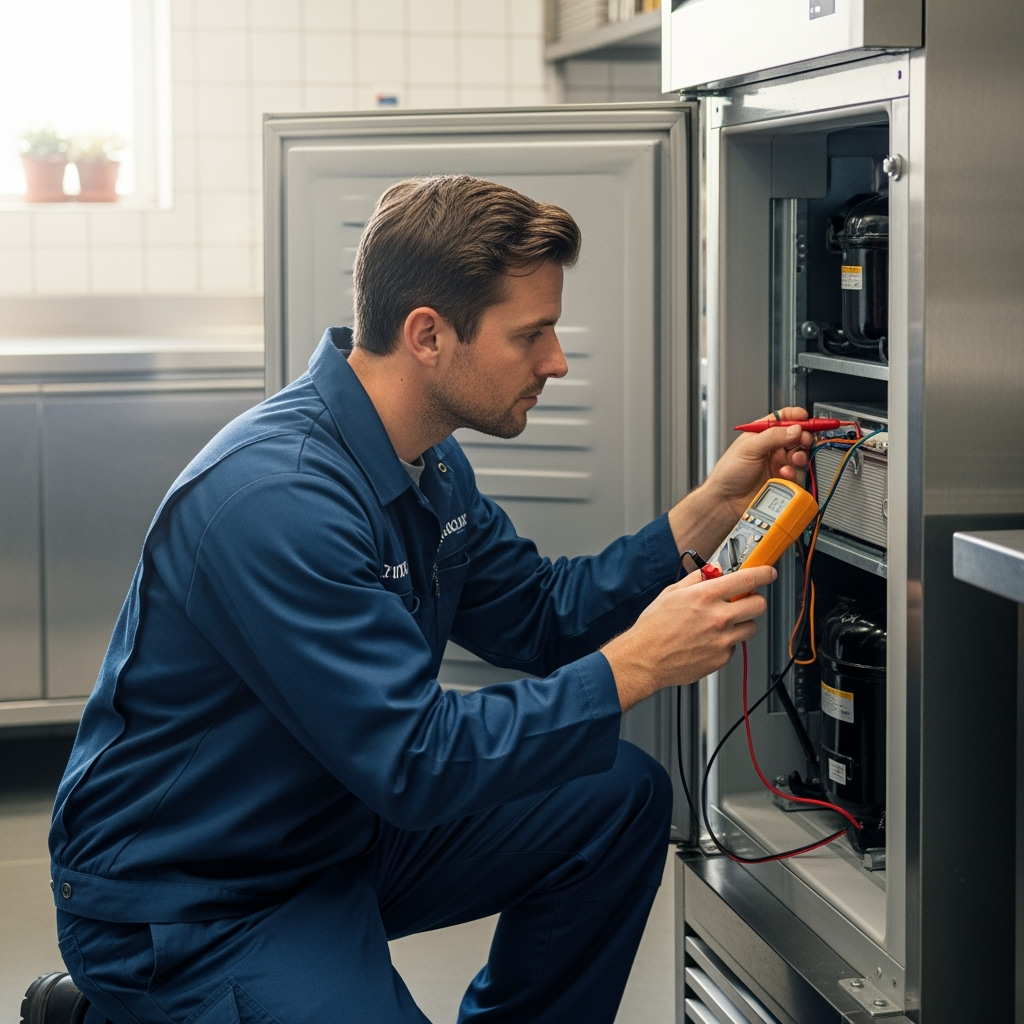
I know how crucial reliable cooling is for businesses in San Antonio, and that’s why San Antonio refrigeration maintenance is a nonnegotiable part of running any commercial kitchen, grocery, medical facility, or hospitality operation. The city’s long, hot summers and humid shoulder seasons push refrigeration systems harder than in many other places, and local resources like the City of San Antonio help businesses plan for infrastructure needs and resilience: https://www.sanantonio.gov/.
Why preventive refrigeration maintenance matters in the city
Preventive maintenance is more than a tune-up. In San Antonio, where temperatures often climb and humidity can stress seals and compressors, a planned maintenance program protects inventory, reduces energy bills, and prevents emergency failures. I’ve seen facilities that treated maintenance as optional end up with spoiled inventory, unhappy customers, and expensive after-hours repairs. A predictable program is the difference between a small, scheduled expense and a catastrophic overnight loss.
The local climate makes a difference
Heat, humidity, and daytime temperature swings increase compressor run-time and strain components like evaporator coils, condenser fans, and gaskets. That higher workload accelerates wear and raises the likelihood of refrigerant leaks. Staying ahead of those wear patterns with consistent maintenance keeps costs down and systems running through San Antonio’s hottest months.
Common signs your commercial refrigeration needs service
Not every problem announces itself with a loud bang. Often the first signs are subtle, and acting quickly can prevent a full outage. Here are signs I ask business owners to watch for so they can call for service before it’s an emergency.
- Higher-than-normal energy bills without an obvious reason
- Temperature fluctuations or thawing inventory in coolers or freezers
- Strange noises such as clanking, hissing, or short-cycling compressors
- Visible frost buildup or excessive condensation on coils and drain pans
Why delays get expensive
Small refrigerant leaks, clogged condensers, or failed door gaskets can snowball into compressor damage or food safety violations. Repairing or replacing major components costs far more than catching the problem on a scheduled visit. Plus, downtime means lost sales and potential regulatory headaches for restaurants and grocery operators.
What a thorough maintenance visit looks like
When I inspect a commercial refrigeration system, I follow a checklist that targets the components most likely to cause failure in this climate. A comprehensive visit not only fixes immediate issues but also documents trends so teams can plan capital expenses.
- Inspect and test compressors, fans, motors, and belts for wear and correct operation
- Clean and straighten condenser and evaporator coils and check airflow
- Check refrigerant charge, test for leaks, and verify pressures and temperatures
- Examine electrical connections, defrost cycles, and door gaskets for integrity
What technicians typically record during service
A good technician records pressures, temperatures, amperage draw, and refrigerant amounts to create a baseline. Those records reveal trends: a steadily rising head pressure, for example, can indicate a failing condenser fan or dirty coils even before performance drops noticeably. Tracking trends is one of the most practical ways to extend equipment life.
Seasonal maintenance schedule for best results
In this region I recommend a tiered schedule that matches use and risk. High-use kitchens, grocery stores, and healthcare facilities need more frequent attention than a small office break room cooler.
My typical schedule is quarterly inspections for high-use systems and biannual visits for lower-use equipment. Before summer, perform a proactive full inspection to ensure condensers and compressors are ready for peak demand. In cooler months, a focused visit on defrost systems, drain lines, and gasket seals will prevent humidity-related issues.
Quick seasonal checklist
Before peak heat each year, confirm that condensers are clean, fans run freely, and refrigerant charge is correct. After peak season, check defrost cycles and clean drains to prevent mold and odor problems that build up during high humidity periods.
How modern tech reduces downtime and cost
Two recent trends are changing how I approach refrigeration maintenance: predictive diagnostics and remote monitoring. IoT sensors and AI-driven analytics let technicians spot anomalies long before a component fails, scheduling repairs when they are least disruptive.
Predictive maintenance and remote monitoring
Remote monitoring can alert teams to rising temperatures, refrigerant loss, or unusual cycling. That allows targeted visits rather than periodic inspections that might miss a fast-developing problem. Many operators in the area are adopting these tools to cut emergency calls and extend equipment life.
Energy savings and regulatory trends to watch
Energy costs are a big line item for refrigerated businesses. Efficient refrigeration not only lowers bills but also aligns with upcoming shifts toward low-global-warming-potential (GWP) refrigerants and stricter leak reporting. The industry is moving toward refrigerants and equipment designs that reduce environmental impact while improving efficiency.
Upgrading to new compressors, heat reclaim systems, or variable-speed drives can reduce energy by double digits in many installations. Incentives and rebates sometimes help cover upgrades, so it’s worth checking for local or state programs that support efficiency investments.
Two trends every manager should track
First, the migration to lower-GWP refrigerants and equipment compatible with those refrigerants. Second, the growing availability of rebates and incentive programs for energy-efficient upgrades. Both trends can reduce long-term costs and future-proof systems against regulatory changes.
Actionable tips for facility managers to reduce emergency repairs
Small daily habits and quick checks can prevent many common refrigeration problems. I recommend training on basic inspections and empowering staff to report issues early.
- Check and clean condenser fins weekly during hot months to preserve airflow and efficiency
- Inspect door seals daily and replace broken gaskets promptly to prevent cold loss
- Keep drain lines clear and verify defrost cycles monthly to avoid ice buildup
- Log temperature readings twice a day and note any trends rather than isolated readings
How to choose a refrigeration maintenance partner in San Antonio
Choosing the right contractor is about more than a low price. Look for documented experience with commercial refrigeration, EPA refrigerant certifications, good response times, comprehensive maintenance plans, and clear record-keeping. You want a partner who understands the unique load patterns and environmental challenges businesses face in this area.
Questions to ask before signing a contract
Ask about emergency response windows, whether the company provides trend logs and equipment baselines, and how they handle refrigerant tracking and regulatory paperwork. Confirm that technicians can work on the specific makes and models in your facility, and ask for references from similar local businesses.
Trends and incentives affecting refrigeration maintenance
Here are a couple of trends that I’ve been discussing with clients that will shape maintenance decisions this year and beyond. First, electrification and improved compressor technologies are increasing system efficiency and offering new options for heat reclamation. Second, smart sensors and predictive analytics are lowering life cycle costs by reducing unplanned downtime.
Also watch for local and state incentive programs that offset retrofit and replacement costs. Pairing incentives with a thoughtful maintenance program can shorten payback periods and reduce both energy consumption and emissions.
Real-world examples of issues and fixes
I’ve worked with grocery stores and restaurants in neighborhoods from Alamo Heights to Stone Oak that faced common, recurring problems: blocked condenser coils behind outdoor condensers, failing door seals on high-traffic coolers in downtown locations, and slow leak detection that allowed refrigerant loss to accelerate compressor wear. Simple fixes like relocating condensers for better airflow, installing high-quality gaskets, and adding remote temperature alarms eliminated repeated service calls and inventory losses.
Those examples highlight a basic principle: targeted, informed maintenance solves most problems and prevents the big ones. Small investments in monitoring, staff training, and scheduled visits often pay for themselves in reduced emergency labor and avoided spoilage.
Wrapping up and next steps for business owners
If you run a restaurant, grocery, medical facility, or any business that depends on reliable cold storage in San Antonio, creating a maintenance plan is the smartest way to protect inventory and control energy costs. Start by documenting current equipment, scheduling a full inspection before the next heat wave, and asking a trusted technician to set up baseline measurements your team can track over time. Those three steps give you control and predictability over a system that otherwise tends to fail on the worst possible day.
If you’d like help assessing your systems, scheduling preventive maintenance, or exploring energy-saving upgrades, reach out to Nextech for fast, local support tailored to San Antonio businesses.